In the beautiful journey of love and commitment, many couples in the USA today look beyond flowers, venues, and guest lists to something deeper — the stars themselves. A wedding chart, also known as an electional astrology chart for marriage, is like a cosmic blueprint for your union. It captures the exact planetary positions at the moment you say “I do,” revealing the strengths, challenges, and overall energy that will shape your married life.
Think of it as the “birth chart” for your marriage. Just as your natal chart shows your personal path, the wedding chart shows how your shared life together might unfold — from emotional harmony and communication to long-term stability and growth. Many modern American couples, especially those interested in mindfulness, spirituality, or personalized experiences, consult astrologers to choose an auspicious date and time. This practice, rooted in electional astrology, helps align your special day with supportive planetary energies for a more blessed beginning.
Creating a wedding chart involves selecting a date and precise time when key planets like Venus (love and harmony), the Moon (emotions), Jupiter (growth), and Saturn (commitment) are favorably placed. It’s not about guaranteeing perfection but about setting a positive foundation. In my years as an astrologer, I’ve seen how a thoughtfully chosen wedding chart can bring extra grace, resilience, and joy to a marriage — helping couples navigate life’s ups and downs with greater ease.
Whether you’re planning a grand ceremony in New York or an intimate gathering in California, understanding your wedding chart adds a magical, intentional layer to your big day. It reminds us that marriage is both a personal choice and a cosmic event. In this guide, we’ll explore how to create one, what it truly means, and how to use it for insightful predictions — all in simple, practical terms so you can feel empowered on your journey to “happily ever after.”

What is a Wedding Chart?
A wedding chart is a horoscope cast for the exact moment and location of your wedding ceremony — typically when vows are exchanged or the marriage is legally pronounced. Unlike your birth chart, which is personal, this chart belongs to the relationship itself. It acts as a snapshot of the heavens at the start of your married life.
In Western astrology (popular in the USA), we focus on the positions of planets in signs and houses, major aspects (angles between planets), and the rising sign (Ascendant). Vedic astrologers might emphasize additional factors like Nakshatras, but the core idea remains the same: the chart reveals the “personality” of your marriage.
Key elements include:
- Ascendant (Rising Sign): Represents the overall tone and public face of your union.
- 7th House: The house of marriage and partnerships — planets here directly influence your bond.
- Venus: The planet of love, beauty, and harmony — its strength is crucial.
- Moon: Governs emotions and daily life in the marriage.
- Sun: Symbolizes the core identity and vitality of the relationship.
This chart doesn’t override free will or your compatibility — it simply highlights potentials and energies you can work with.
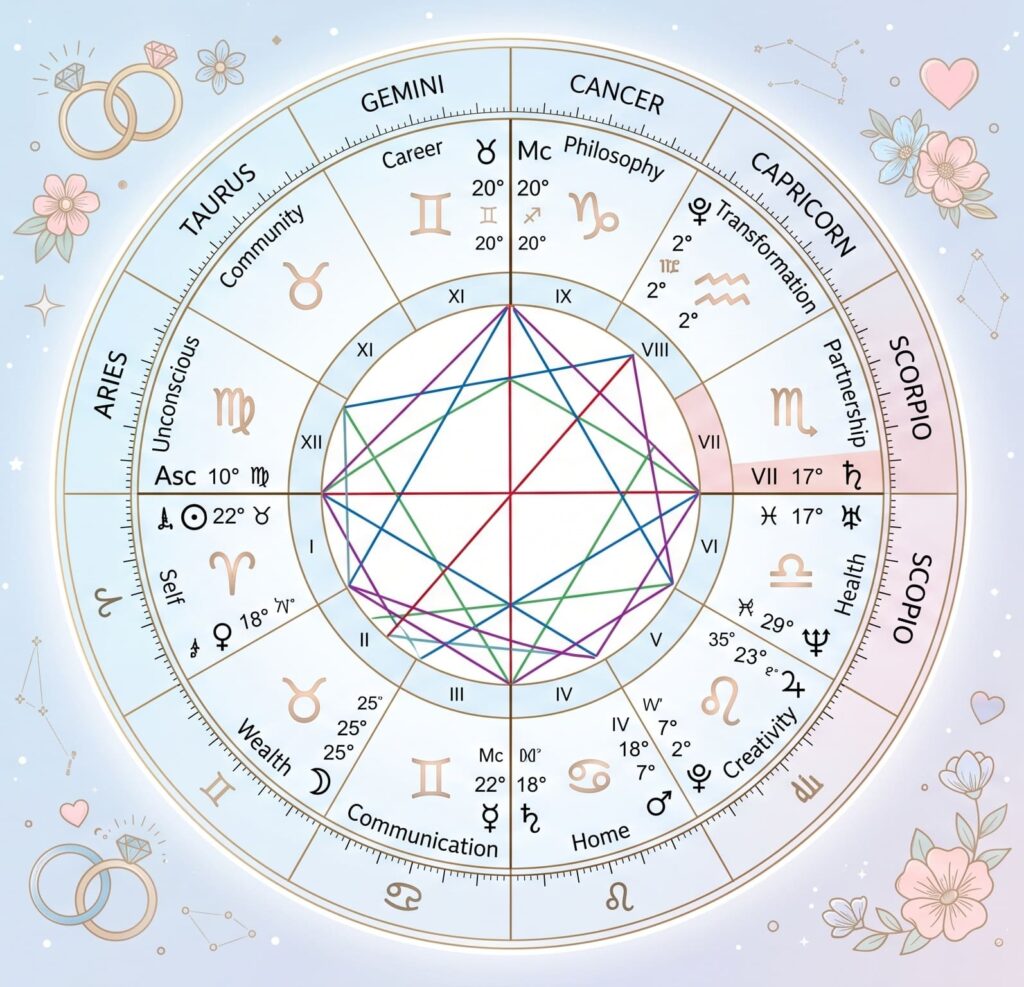
How to Create a Wedding Chart
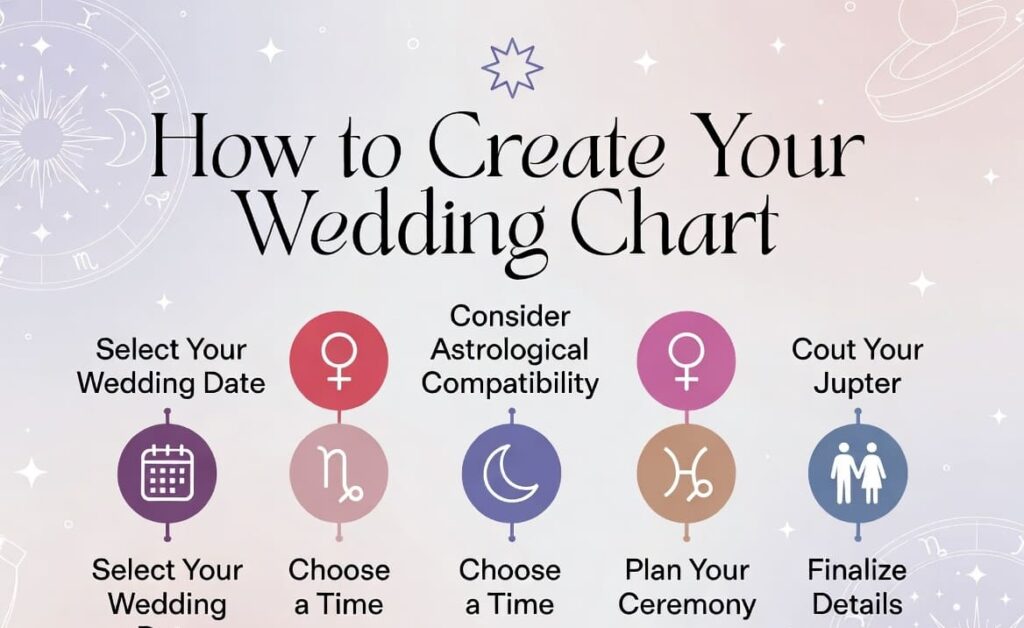
Creating a strong wedding chart is an art called electional astrology. Here’s a simple step-by-step guide suitable for American couples:
- Start Early: Begin looking at dates 6-12 months ahead. Use online tools like Astro.com or consult a professional astrologer.
- Prioritize Venus: Look for Venus in strong signs like Taurus, Libra, or Pisces, ideally making harmonious aspects (trines or sextiles) and not retrograde. Venus rules love, so a happy Venus supports affection and partnership.
- Check the Moon: The Moon should not be “void of course” (making no major aspects before changing signs). It should form positive aspects and reflect emotional comfort. A waxing Moon is often preferred for new beginnings.
- Balance Sun and Moon: Harmony between them symbolizes good flow between partners and the outside world.
- Consider Other Factors: Favor Jupiter for luck and growth. Be cautious with heavy Saturn or Mars afflictions unless they fit your personal charts. Avoid Mercury retrograde for clear communication. Fixed signs on the Ascendant can add stability.
- Match with Your Charts: The best dates also connect positively to both partners’ natal charts.
Work with an experienced astrologer who can fine-tune the exact time for your venue’s location. Remember, no chart is perfect — aim for “good enough” while honoring family schedules and practicalities.
The Meaning and Significance of a Wedding Chart
Your wedding chart carries deep meaning. It shows the energetic “DNA” of your marriage:
- Strengths: Benefic planets (Venus, Jupiter) in good positions suggest harmony, joy, financial ease, or spiritual growth.
- Challenges: Tough aspects (like squares to Saturn) might indicate areas needing extra effort, such as patience during tough times or clear boundaries.
- Longevity and Style: Fixed energies point to endurance; cardinal signs suggest initiative and new chapters; mutable signs bring adaptability.
It can highlight themes like public recognition (strong 10th house), family life (4th house), or shared adventures (9th house). Many couples find it validating — it explains why certain patterns emerge in their relationship and offers guidance for nurturing the marriage.
In the USA, where marriages blend romance with practicality, this chart helps couples approach their union mindfully, fostering better communication and resilience.
Making Predictions with the Wedding Chart
Predictions come from interpreting the chart like a natal chart but focused on the relationship:
- Transits and Progressions: Later planetary movements over the wedding chart reveal timing for milestones, challenges, or renewals (e.g., Jupiter returns bringing growth).
- House Rulerships: The condition of the 7th house ruler indicates partnership dynamics.
- Aspects: Ongoing transits to Venus or the Moon in the wedding chart can predict emotional phases or romantic highlights.
For example, a strong Saturn in the wedding chart might mean a stable but effortful marriage that deepens over time. Use it alongside your individual charts for the fullest picture. Predictions are tools for awareness, not destiny — your choices shape the outcome.
Final Verdict
A well-crafted wedding chart is a thoughtful gift you give your future selves. It doesn’t replace love, respect, or hard work, but it can infuse your marriage with cosmic support, harmony, and foresight. By understanding its creation, meaning, and predictive power, you step into married life with intention and wonder. Whether you’re newly engaged or already planning, consulting the stars can make your wedding day — and your lifelong journey — even more magical. Trust the process, honor your hearts, and let the universe cheer you on.
Ready to explore your own wedding chart? Reach out for a personalized consultation at AVya.avsoftlab.com.
Juno, the majestic Roman goddess of marriage, childbirth, women, and the state, stands as one of the most powerful and multifaceted deities in the ancient pantheon. As the wife and sister of Jupiter, she embodies queenship, fierce protection, fertility, and the complex realities of partnership. Unlike purely nurturing figures, Juno often appears warrior-like—armed and vigilant—reflecting her role as guardian of Rome itself. Her symbols, drawn from myth, nature, and ritual, carry deep layers of meaning that reveal her essence as both a devoted matron and an unyielding sovereign.
The Peacock: Vigilance, Beauty, and Immortal Watchfulness
The most iconic symbol associated with Juno is the peacock. This radiant bird, with its shimmering tail feathers dotted with iridescent “eyes,” serves as her sacred animal and constant companion in art and sculpture. In mythology, the peacock’s origins tie directly to Juno’s jealousy and grief. When Jupiter transformed his lover Io into a heifer to hide her, Juno demanded the hundred-eyed giant Argus as her guard. After Mercury slew Argus, Juno honored the giant by placing his eyes on the peacock’s tail.
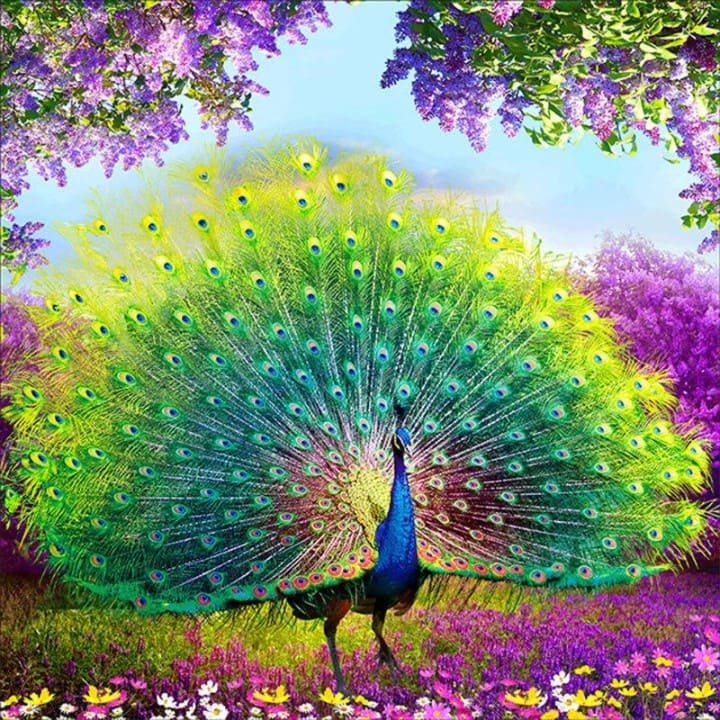
Beyond this tale, the peacock represents eternal vigilance—its many eyes symbolizing the goddess’s all-seeing awareness over marriages and oaths. Its beauty and ability to renew its feathers evoke immortality and renewal, while its proud display mirrors Juno’s regal dignity and occasional haughtiness. Chariots drawn by peacocks in depictions underscore her heavenly authority. To ancient Romans, encountering a peacock could signal Juno’s protective gaze over family and fidelity.
The Pomegranate: Fertility, Abundance, and the Bonds of Marriage
The pomegranate, bursting with ruby seeds, is another potent emblem of Juno. This fruit symbolizes fertility, prosperity, and the hidden riches of life—perfect for a goddess overseeing childbirth and marital unions. Its many seeds represent the abundance of offspring and the fruitful potential within committed relationships. In broader Mediterranean symbolism (shared with her Greek counterpart Hera), it also evokes the cycles of life, death, and rebirth.
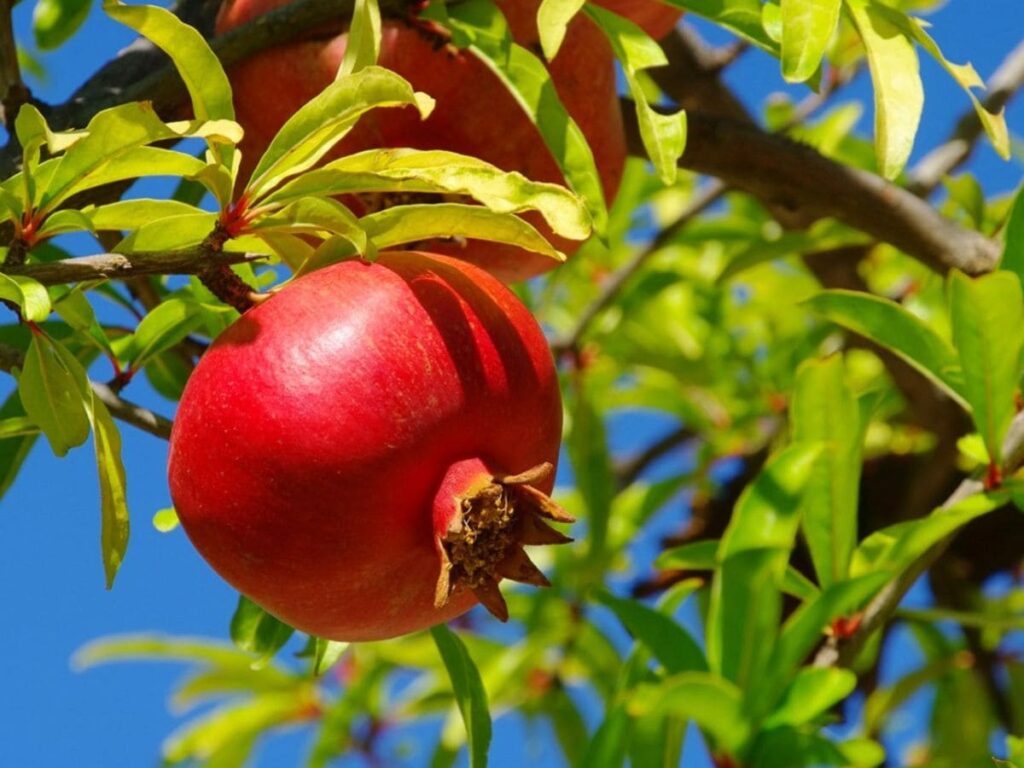
Juno’s association with the pomegranate reinforces her domain over women’s health and the perpetuation of family lines, reminding devotees that true partnership yields lasting legacy.
The Lily and Lotus: Divine Femininity and Parthenogenetic Power
Juno holds a special connection to the lily (often the three-lobed variety) and the lotus, universal symbols of the divine feminine and purity. According to legend, Juno conceived her son Mars by touching a magical lily or lotus flower given by the goddess Flora, without Jupiter’s involvement. This story highlights her independent creative power and positions her as a “Blessed Virgin” figure in some interpretations.
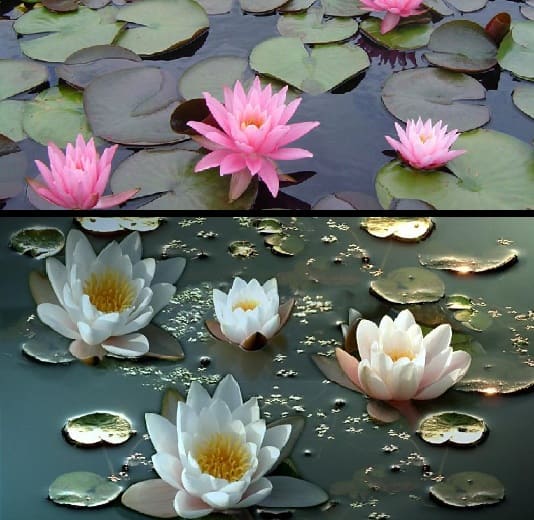
These flowers embody grace, renewal, and sacred femininity. The lily’s association later influenced Christian iconography of the Virgin Mary, showing the enduring cultural ripple of Juno’s symbols.
Regal and Martial Attributes: Crown, Scepter, Goatskin, and Weapons
As queen of the gods (Juno Regina), Juno is frequently depicted wearing a crown or diadem and holding a scepter, signifying sovereign authority and wise counsel to the state. These items emphasize her role as protector of Rome and advisor to leaders.
In her warlike aspect—especially as Juno Sospita—she appears in a goatskin cloak, armed with spear and shield. This draws from influences like Athena but underscores Juno’s fierce defense of women, children, and the Roman people. It portrays her not just as a homemaker but as a formidable guardian ready to battle threats to her domain.
Other Sacred Creatures and Plants
- Cow and Goose: The cow links to fertility and nurturing motherhood, while the goose symbolizes vigilance (echoing the peacock) and protection. Both highlight Juno’s maternal and watchful sides.
- Cuckoo: Associated with spring and marriage omens, it ties into themes of renewal and partnership.
- Cypress: A tree linked to her, possibly evoking endurance, eternity, or funerary rites connected to life cycles.
Why These Symbols Still Resonate
Juno’s symbols weave together themes of loyalty and jealousy, beauty and strength, fertility and protection. They reflect the multifaceted lives of women and rulers—nurturing yet powerful, committed yet independent. In ancient Rome, brides invoked Juno for blessed marriages, expectant mothers sought her aid in childbirth (as Juno Lucina, “She Who Brings to Light”), and the state honored her as a pillar of civic order.
Today, these emblems inspire modern interpretations in art, literature, and spirituality. The peacock reminds us of watchful pride in our relationships; the pomegranate, the seeds of legacy we plant; the lily, the quiet power of creation. Juno teaches that true queenship lies not in dominance alone, but in the balanced guardianship of life’s most sacred bonds.
Whether gazing at a peacock’s tail or slicing open a pomegranate, one glimpses the enduring spirit of Rome’s queen—a goddess who watches over commitments with unblinking eyes and a fiercely protective heart. Her symbols invite us to honor the complexities of partnership, the strength in femininity, and the regal potential within us all.
In a world obsessed with personal horoscopes and “what’s in the stars for me,” there exists a quieter, grander branch of astrology that looks beyond the individual. It peers at empires rising and falling, economies crashing or booming, wars igniting, and collective destinies unfolding. This is Mundane Astrology—the astrology of nations, leaders, global events, and the collective human story.
While natal astrology feels intimate, Mundane Astrology feels almost god-like in scale. It treats the Earth itself as the subject of the cosmic chart.
What Exactly Is Mundane Astrology?
Mundane Astrology (from the Latin mundus, meaning “world”) analyzes planetary movements, eclipses, ingresses, and cycles to forecast and interpret large-scale events. It examines:
- The fate of countries and their leaders
- Economic trends and financial markets
- Wars, peace treaties, and geopolitical shifts
- Natural disasters, weather patterns, and climate events
- Cultural movements, scientific breakthroughs, and social revolutions
Instead of focusing on your Sun sign, a mundane astrologer might study the Aries Ingress (when the Sun enters Aries each year) to create a “chart of the year” for an entire nation or the world. They look at national horoscopes (often set for the moment of independence or founding), planetary cycles like the Saturn-Jupiter conjunctions (which occur roughly every 20 years and mark shifts in economic and social paradigms), and major eclipse paths.
A Brief History: From Kings to Kingdoms
Mundane Astrology is actually older than personal horoscopes. Ancient Mesopotamian astrologers advised kings on the destiny of the realm. In India, Mundane Jyotisha has been practiced for millennia through texts like the Brihat Samhita by Varahamihira, which contains detailed chapters on omens, weather, and national affairs.
During the Renaissance in Europe, astrologers like William Lilly famously predicted the Great Fire of London using mundane techniques. In the 20th century, figures like Charles Harvey and others refined the field using modern data and statistical approaches.
Key Tools of the Mundane Astrologer
- Ingress Charts — The Sun’s entry into the cardinal signs (Aries, Cancer, Libra, Capricorn) creates powerful mundane charts.
- Eclipse Charts — Solar and lunar eclipses act as cosmic triggers, especially when they fall on sensitive points in a nation’s chart.
- Great Conjunctions — Jupiter-Saturn cycles are often called the “clock of history.” The 2020 conjunction in Aquarius, for instance, coincided with massive shifts toward technology, decentralization, and social upheaval.
- Planetary Cycles — Uranus-Pluto squares for revolutions, Neptune transits for ideological waves or scandals, Mars-Saturn for conflicts.
- National Horoscopes — Charts for the USA (July 4, 1776), India (August 15, 1947), or the European Union.
Real-World Examples That Still Astonish
- The 2008 financial crisis aligned with significant Saturn-Uranus oppositions and Pluto’s entry into Capricorn (sign of institutions and financial structures).
- The COVID-19 pandemic emerged during a rare Saturn-Pluto conjunction in Capricorn (2020), a combination historically linked to hardship, restriction, and systemic transformation.
- Major wars often ignite under Mars activations or when malefic planets afflict national Sun/Moon positions.
These aren’t always perfect predictions, but the correlations continue to intrigue researchers who approach the subject with intellectual honesty.
Mundane Astrology in the Age of Data
Critics call it pseudoscience. Practitioners argue it’s a symbolic language for understanding complex systems—much like how economists use models that also fail sometimes but still provide value.
Today’s mundane astrologers blend traditional techniques with data analytics. They track:
- Stock market cycles against planetary returns
- Climate patterns against outer planet transits
- Social media trends and collective mood shifts against Moon/Neptune influences
Why It Matters More Than Ever
We live in an interconnected world. A single policy decision in Beijing can affect farmers in Brazil. A viral tweet can shift elections. Mundane Astrology offers a lens that says: There are larger rhythms at play.
It doesn’t remove human agency—leaders still make choices, people still act—but it suggests we operate within cosmic weather patterns. Understanding the weather doesn’t mean you can’t build a strong house; it just helps you prepare.
Final Thoughts: The Cosmic Citizen
Studying Mundane Astrology cultivates a deeper sense of being a “cosmic citizen.” You begin to see protests, breakthroughs, scandals, and golden ages not as random chaos, but as movements in a vast, breathing symphony.
The stars don’t dictate every headline. But they may whisper the mood of the times—and the wise listen.
What mundane event are you curious about? Drop a country, year, or current global situation in the comments, and I may explore its astrological weather in a future post.
Among the powerful feminine archetypes in astrology, few combinations feel as intense and transformative as the wrath of Pallas Athene meeting Venus Scorpio Retrograde. Pallas Athene, the asteroid representing strategic wisdom, warrior intelligence, and creative justice, carries the fierce protective energy of the goddess Athena. When her energy is triggered, it can manifest as righteous anger, calculated defense, or a powerful drive to fight for truth and fairness.
Venus, Our Goddess of Heart and Art, governs love, values, self-worth, and relationships. When she turns retrograde in the deep, passionate, and intense sign of Scorpio, her energy turns inward. This creates a powerful period of soul-level review around intimacy, trust, power dynamics, jealousy, and hidden desires. The combination of Pallas Athene’s strategic wrath with Venus Scorpio Retrograde can feel like a cosmic call to confront deep emotional truths with courage and intelligence.
In mythology, Athena (Pallas Athene) showed wrath toward those who showed hubris or violated sacred boundaries — yet she always acted with strategy rather than blind rage. Similarly, Venus in Scorpio retrograde stirs the underworld of our emotions, forcing us to examine where love has become control, where desire has turned possessive, and where we need to reclaim our power.
This potent alignment teaches us that anger is not always destructive. When guided by Pallas Athene’s wisdom, the intense emotions of Venus Scorpio Retrograde can become a force for profound healing, empowerment, and rebirth. It invites us to transform pain into purpose and protect our sacred values with clarity and strength.
The Archetype of Pallas Athene
Understanding the Wrath of Pallas Athene
Pallas Athene embodies the wise warrior goddess — born fully armed from the head of Zeus. She represents strategic thinking, creative intelligence, justice, and the ability to channel anger into effective action. Her “wrath” is rarely impulsive; it is calculated, purposeful, and often serves a higher cause such as protecting the innocent or restoring balance.
In astrology, asteroid Pallas Athene shows where we use intellect and strategy in battle — whether literal, emotional, or creative. When activated strongly, it can bring righteous anger against injustice, a strong need for independence, or the courage to fight for what is right.
Venus Retrograde in Scorpio
Deep Transformation and Emotional Reckoning
Venus retrograde in Scorpio is one of the most intense retrogrades. It pulls us into the depths of our relationships, sexuality, shared resources, and emotional vulnerabilities. Old wounds around trust, betrayal, power struggles, and self-worth often resurface so they can finally be healed. This period demands honesty — no more surface-level connections or hidden manipulations.
Themes include:
- Re-evaluating intimate bonds and power dynamics
- Healing jealousy, obsession, or emotional control
- Reclaiming personal power and self-worth
- Transforming pain into deeper emotional wisdom
The Powerful Combination
When Pallas Athene Meets Venus Scorpio Retrograde
This meeting creates a fierce yet wise energy. The wrath of Pallas Athene provides the strategic mind to navigate the emotional storms of Venus Scorpio Retrograde. Instead of drowning in jealousy or resentment, you are encouraged to observe, strategize, and take empowered action. It is an excellent time for therapy, shadow work, setting strong boundaries, and using creative intelligence to heal relationship patterns.
This alignment helps turn personal pain into purposeful transformation.
Final Verdict
The wrath of Pallas Athene and Venus Scorpio Retrograde is a profound call for empowered healing. Pallas Athene teaches us to use anger and intensity wisely, while Venus in Scorpio retrograde asks us to dive deep into our hearts and transform what no longer serves us. Together, they help us release toxic patterns in love, reclaim our personal power, and emerge stronger, wiser, and more authentic.
Instead of fearing this energy, embrace it as a sacred initiation. Use strategic wisdom to protect your heart, release what is dead, and rebirth your relationships and self-worth from a place of truth and strength.
In the vast sky of astrology and ancient mythology, one swift and clever figure stands out as the bridge between worlds — Mercury, the Messenger of the Heavens. Known for his speed, wit, and ability to move effortlessly between gods and humans, Mercury represents communication, intelligence, travel, and the quick flow of ideas. He is the divine delivery person who carries important messages, making him one of the most relatable and active forces in our daily lives.
In Roman mythology, Mercury (equivalent to the Greek god Hermes) was the son of Jupiter and Maia. With his winged sandals and helmet, he traveled faster than anyone else. He was not only the messenger of the gods but also the protector of travelers, merchants, and even thieves. He guided souls to the afterlife and was known for his cleverness and eloquence. His energy brings movement, curiosity, and connection in our world.
In modern astrology, the planet Mercury rules how we think, speak, learn, and share information. It governs our mind, writing, short journeys, and everyday conversations. Whether you are sending a text, learning something new, negotiating a deal, or simply chatting with friends, Mercury’s influence is at work. He rules the signs Gemini and Virgo, bringing quick thinking, adaptability, and attention to detail.
Mercury, the Messenger of the Heavens reminds us that clear communication and a sharp mind are powerful tools. In today’s fast-paced digital world, his energy helps us stay connected, solve problems, and express our thoughts effectively. Understanding Mercury in your birth chart can reveal how you best learn, communicate, and process information.
The Myth and Symbolism of Mercury
Who Was Mercury in Ancient Times?
Mercury was a lively and versatile god. He carried the caduceus — a staff with two snakes — which became a symbol of commerce and negotiation. Romans honored him for success in business and safe travels. His festival, Mercuralia, was celebrated in May.
As a trickster and diplomat, Mercury showed that intelligence and quick thinking can solve many problems. He moved freely between heaven, earth, and the underworld, teaching us the importance of staying flexible and open.
Mercury in Astrology
The Role of Mercury in Your Birth Chart
In astrology, Mercury shows how your mind works and how you express yourself. Its placement by sign and house reveals your communication style, learning preferences, and thinking patterns. A strong Mercury helps with clear speech, quick learning, and clever problem-solving.
Mercury influences:
- Daily communication and conversations
- Writing, speaking, and learning abilities
- Short trips and local travel
- Siblings, neighbors, and close environment
- Technology and information exchange
When Mercury is well-placed, people are often witty, curious, and good at multitasking.
How Mercury Affects Our Daily Life
Mercury, the Messenger of the Heavens is especially active during its retrograde periods, when it appears to move backward. These times encourage us to slow down, review plans, and improve how we communicate. Understanding Mercury helps us become better listeners, clearer speakers, and more effective thinkers in both personal and professional life.
Final Verdict
Mercury, the Messenger of the Heavens is a vital cosmic force that keeps information, ideas, and connections flowing smoothly. As both a mythological god and an astrological planet, he teaches us the value of clear thinking, honest communication, and mental flexibility. By honoring Mercury’s energy, we can improve our relationships, succeed in learning, and navigate daily life with greater ease and intelligence.
Whether you want to improve your public speaking, writing skills, or simply understand others better, connecting with Mercury brings clarity and clever solutions. He reminds us that in a complex world, the ability to listen, learn, and express ourselves remains one of our greatest strengths.
In the world of astrology and ancient mythology, few figures capture the essence of love, beauty, and creative expression as beautifully as Venus — lovingly called Our Goddess of Heart and Art. While many goddesses represent different aspects of life, Venus stands out as the divine embodiment of what makes life feel rich, meaningful, and full of emotion. She rules over matters of the heart — romance, affection, pleasure, and deep emotional connections — as well as the arts, beauty, harmony, and everything that inspires us to create.
In Roman mythology, Venus (known as Aphrodite to the Greeks) is the goddess of love, desire, and attraction. She was born from the sea foam, symbolizing how beauty and love can emerge even from turbulent waters. But beyond ancient stories, in modern astrology, Venus is a planet that shows us how we give and receive love, what we truly value, and how we express our unique sense of beauty and creativity.
Our Goddess of Heart and Art teaches us that love is not just romantic — it is also the passion we pour into painting, music, fashion, relationships, and even the way we decorate our homes. She reminds us to appreciate the small beautiful things in life and to create harmony wherever we go. In a fast-moving world, her energy gently pulls us back to what feels good, what feels true, and what makes our hearts sing.
Whether you are falling in love, healing a broken heart, starting a new artistic project, or simply learning to value yourself more, Venus walks with you. She shows us that true beauty comes from within and that art is one of the most powerful ways to express the language of the heart.
The Myth and Story of Venus
Who is Venus in Mythology?
Venus, the Roman goddess of love and beauty, was widely worshipped for bringing joy, fertility, and harmony. In Greek tradition as Aphrodite, she was known for her irresistible charm and her influence over both gods and mortals. She was often accompanied by her son Eros (Cupid), who spread love through his arrows.
Her stories are filled with passion, desire, and the power of attraction. Yet she also represents deeper lessons — the importance of self-love, the balance between giving and receiving, and the courage to embrace pleasure without guilt.
Venus in Astrology
Understanding Our Goddess of Heart and Art in Your Birth Chart
In your natal chart, the planet Venus reveals your love language, aesthetic tastes, and creative style. Her placement by sign and house shows how you experience romance, what kind of beauty moves you, and where you naturally express artistic talents.
Venus governs:
- Romantic relationships and partnerships
- Self-worth and how you value yourself
- Artistic abilities and appreciation for beauty
- Money, luxury, and the things that bring pleasure
- Harmony and diplomacy in daily life
When Venus is strong in a chart, the person often has a natural charm, artistic eye, and ability to create loving environments.
How Venus Influences Our Daily Lives
Today, Our Goddess of Heart and Art encourages us to slow down and enjoy life’s pleasures. She inspires us to wear what makes us feel beautiful, create art that heals us, and build relationships based on genuine affection and respect. Her energy helps us turn emotions into beautiful expressions — whether through music, writing, design, or simply the way we love others.
Final Verdict
Our Goddess of Heart and Art, Venus, is a powerful reminder that love and beauty are sacred forces in our lives. She teaches us to honor our emotions, express our creativity freely, and surround ourselves with things and people that uplift our hearts. By connecting with Venus energy, we learn to live more gracefully, love more openly, and create more joyfully.
Whether through romance, art, or self-care, inviting Venus into your life brings more sweetness, harmony, and inspiration. She shows us that the heart and art are deeply connected — when we create from the heart, we create true beauty.
In the quiet center of every home, there once burned a fire that brought warmth, safety, and life itself. For the ancient Romans, this was more than just a practical need — it was sacred. At the heart of that reverence stood Vesta, the virgin goddess of the hearth, home, and sacred flame. Known as the Keeper of the Flame, Vesta embodied purity, devotion, and the steady inner light that keeps families and communities alive.
Unlike many flashy gods and goddesses who rode chariots or hurled thunderbolts, Vesta was gentle yet powerful. She was rarely shown in human form; instead, people honored her through the eternal fire that burned in her temple and in every Roman household. This flame was not just for cooking or heating — it symbolized the soul of the home and the very heart of Rome. If the sacred fire went out, it was seen as a terrible omen for the entire city.
Vesta is the Roman version of the Greek goddess Hestia. She was one of the most important deities for everyday people. While other gods handled war, love, or wisdom, Vesta watched over the simple, essential things: family meals, warm homes, and daily rituals that bring stability and peace.
Today, as an astrologer, I see Vesta’s energy alive in our birth charts through the asteroid Vesta (discovered in 1807). She reminds us to protect our inner flame — that special spark of dedication, focus, and self-respect that makes life meaningful. In a busy modern world full of distractions, Vesta teaches us the power of quiet devotion and staying true to what truly matters.
Her story invites us to ask: What is the sacred fire burning inside you? What are you willing to tend with love and consistency?
The Myth and Legacy of Vesta
Who Was Vesta in Roman Mythology?
Vesta was the daughter of Saturn (Cronus) and Ops (Rhea), sister to Jupiter and other major gods. She chose to remain a virgin, focusing her energy on caring for the hearth rather than romance or adventure. Her temple in the Roman Forum housed the eternal sacred flame, tended day and night by the famous Vestal Virgins.
These priestesses, chosen as young girls from noble families, served for 30 years. They kept the flame alive, performed rituals, and enjoyed special respect and privileges in a society where women had limited rights. Their purity was believed to protect the entire Roman state. The festival of Vestalia (June 7–15) was a special time when people honored her with offerings.
Vesta’s flame represented continuity, safety, and the spirit of the community. Every new year, the fire was renewed, reminding everyone of fresh beginnings rooted in tradition.
Vesta in Modern Astrology
The Asteroid Vesta in Your Birth Chart
In astrology, asteroid Vesta shows where we bring focused devotion and sacred energy into our lives. She highlights our ability to commit deeply to something meaningful — whether it’s a career, spiritual practice, family, creative work, or personal healing.
Vesta points to:
- Areas where you can maintain a steady “inner flame”
- Your capacity for self-discipline and purity of purpose
- How you balance service to others with self-care
- Themes of dedication, sacrifice, and finding wholeness within yourself
She is often linked to Virgo (service and purity) and Scorpio (deep transformation and sacred sexuality) energies.
What Vesta Teaches Us Today
In our fast-paced lives, Vesta calls us back to what is essential. She asks us to protect our energy, honor our personal rituals, and keep our inner light burning even when the world feels cold or chaotic. Whether you’re building a career, raising a family, or following a spiritual path, her energy helps you stay committed without losing yourself.
She also reminds us that true devotion doesn’t always mean giving everything away. Sometimes, the most sacred act is tending your own hearth first.
Final Verdict
Vesta, the Goddess of the Hearth and Keeper of the Flame, offers a beautiful, timeless message: True power comes from quiet consistency, inner purity, and devoted care for what matters most. In astrology, she lights up the part of you that knows how to focus, serve with heart, and keep your spirit alive.
Honor Vesta in your life by creating small daily rituals, protecting your personal space, and staying loyal to your deepest callings. When you tend your inner flame with love and respect, you bring warmth and stability not only to yourself but to everyone around you.
The Met Gala is fashion’s biggest night, often called the “Oscars of fashion.” Every first Monday in May, celebrities climb the steps of New York’s Metropolitan Museum of Art in stunning outfits that match a creative theme. These looks spark global conversations, memes, and trends.
Astrology adds a fun layer to this. Each zodiac sign has unique traits—bold and fiery, elegant and dreamy, or dramatic and artistic. Many Met Gala outfits perfectly capture these energies. Whether it’s a show-stopping gown or a clever suit, the stars seem to align with the signs. Let’s explore Met Gala outfits with their zodiac signs in this fun pairing
Top 5 Met Gala Looks with their Zodiac Signs
These iconic moments show how fashion and astrology connect beautifully. Each look reflects the personality and vibe of a zodiac sign.
1. Rihanna in Guo Pei (2015) – Leo
Leo loves the spotlight and shines with confidence and drama. Rihanna’s bright yellow cape gown with a long train perfectly matches the Lion’s regal energy. The outfit was handmade with intricate embroidery and weighed a lot, but Rihanna owned the stairs like a true queen.
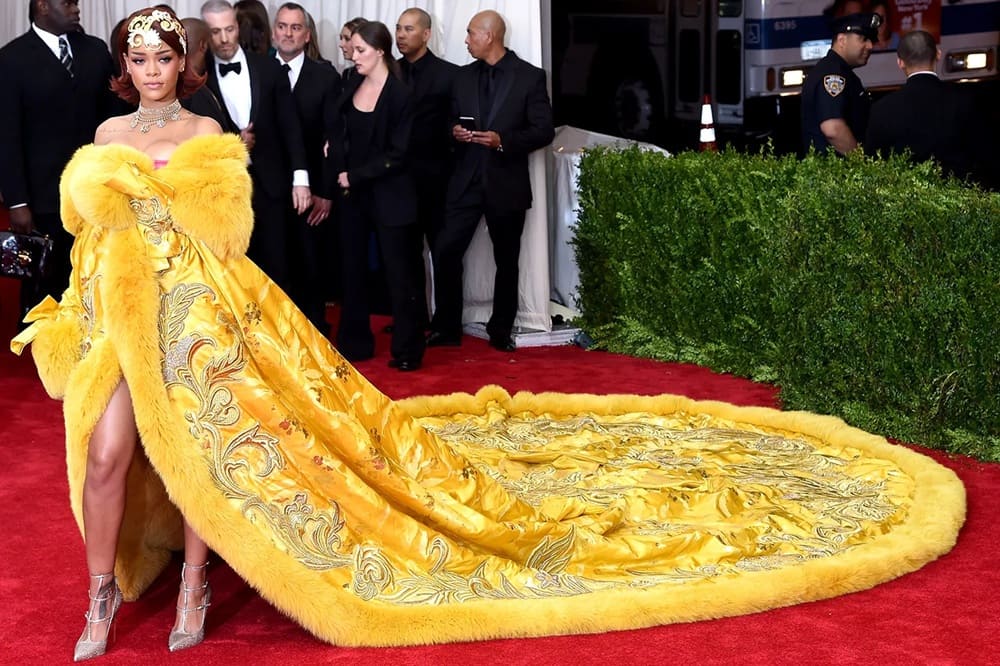
Key outfit features: Dramatic imperial yellow color, massive fur-trimmed cape, and detailed Chinese-inspired embroidery. It turned heads and became one of the most talked-about looks ever. Leos would approve of this bold, luxurious statement that screams “main character energy.”
2. Lady Gaga’s Multi-Look Reveal (2019) – Gemini
Gemini is playful, clever, and loves variety. As co-host for the “Camp: Notes on Fashion” theme, Lady Gaga arrived in a huge pink gown and revealed four different outfits on the carpet with dancers and a full performance. It was theatrical, fun, and full of surprises.
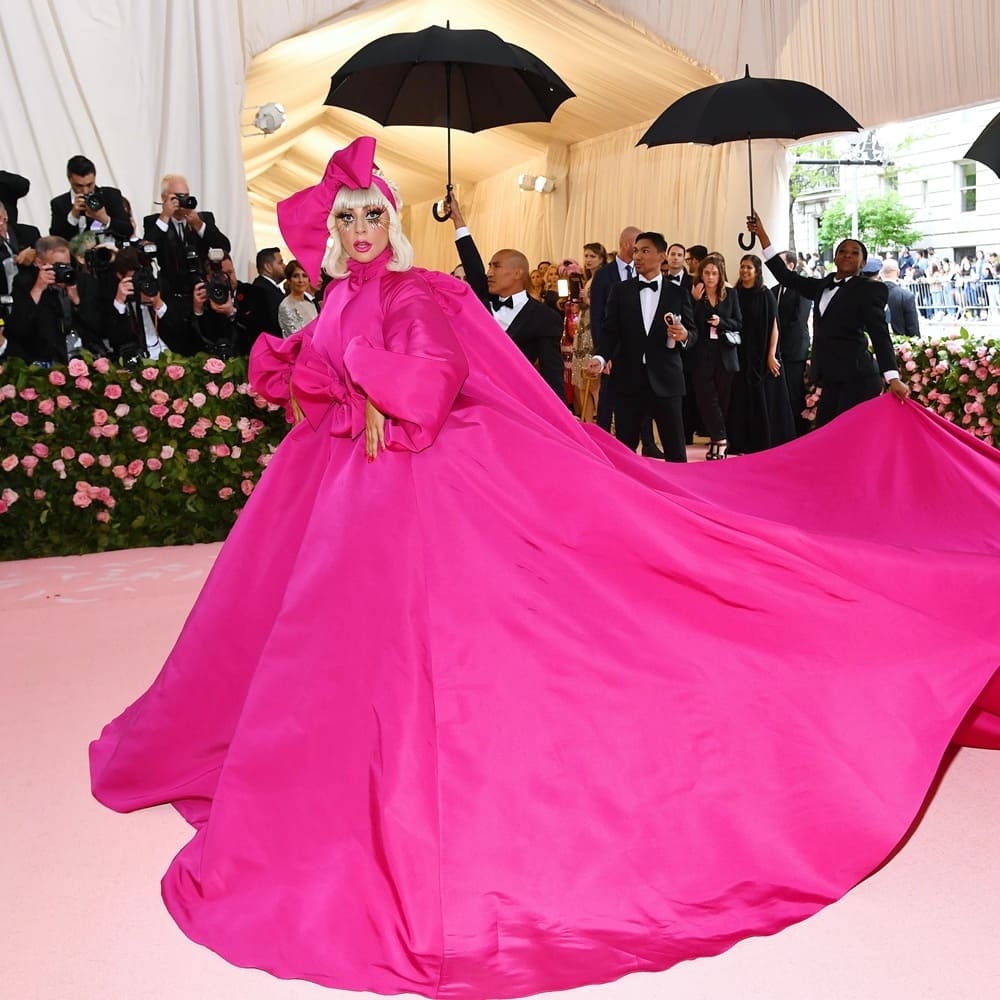
Key outfit features: Oversized pink cape gown with a long train, dramatic makeup and bow, plus quick changes into simpler, campy styles. This look celebrates Gemini’s dual nature and love for communication and entertainment—pure performance art.
3. Beyoncé in Givenchy (2015) – Virgo
Virgo values perfection, detail, and elegance with a modern edge. Beyoncé’s sheer, crystal-embroidered “naked dress” with a high ponytail showed flawless execution and confidence. It fit the “China: Through the Looking Glass” theme while highlighting her iconic style.
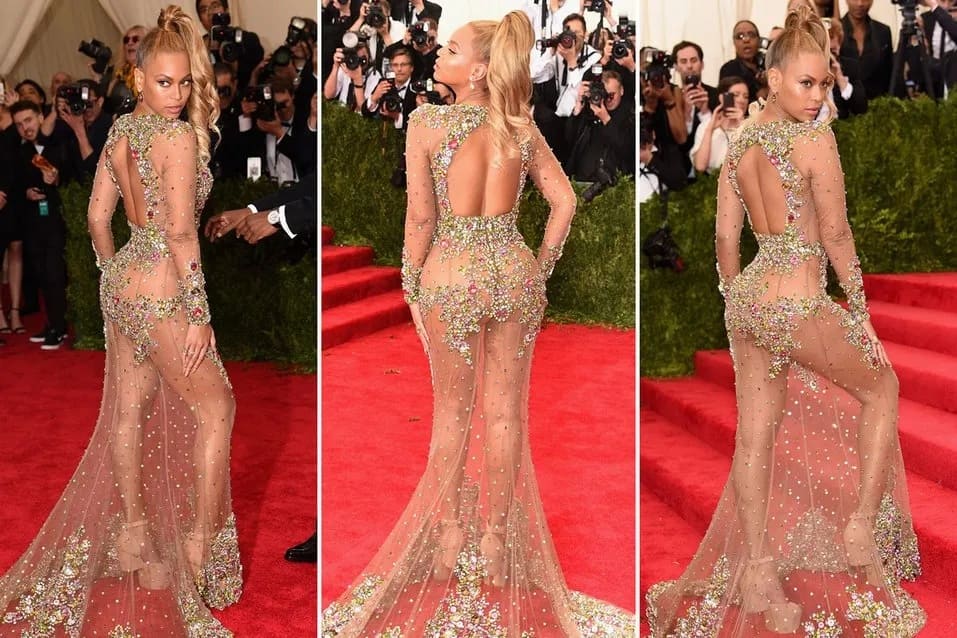
Key outfit features: Skin-tone base covered in sparkling crystals, form-fitting silhouette, and sleek blonde ponytail. Every detail was precise and powerful—exactly how Virgos approach big moments with grace and strength.
4. Zendaya in Cinderella-inspired Gown (2019) – Cancer
Cancer connects deeply with emotion, nostalgia, and fairy-tale magic. Zendaya’s glowing, light-up gown for the Camp theme felt like a modern Cinderella story. It mixed tradition with wonder, touching the hearts of everyone watching.
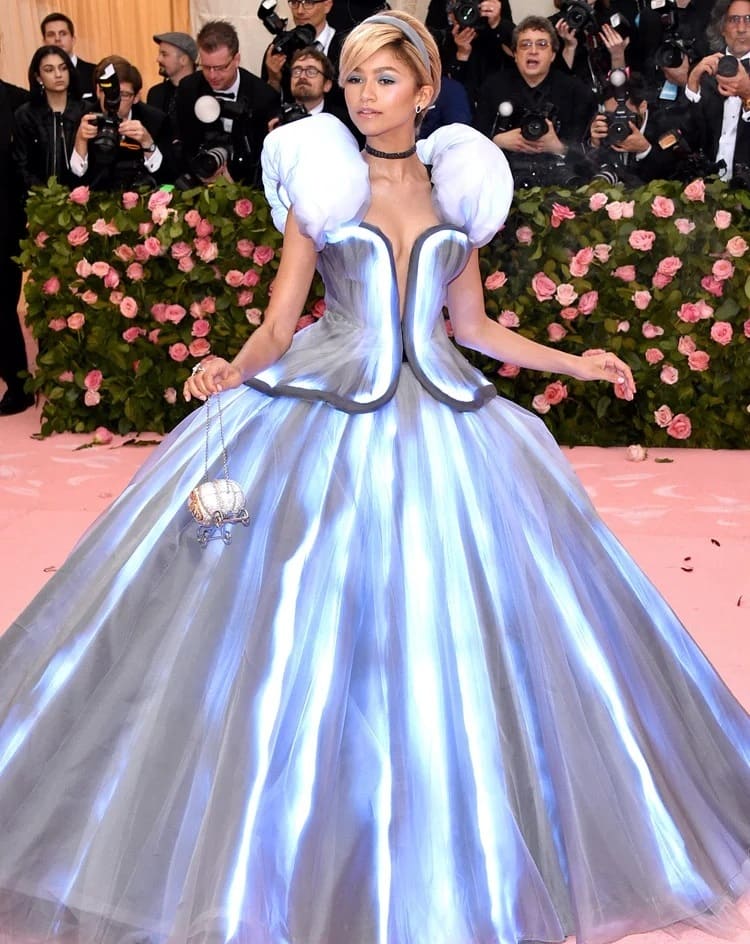
Key outfit features: Ethereal design that lit up, classic silhouette with a magical twist, and soft, dreamy details. Cancers love looks that feel protective yet enchanting, and this one captured that protective glow beautifully.
5. Cher in Bob Mackie (1974 or similar iconic sheer look) – Sagittarius
Sagittarius is adventurous, bold, and unafraid to break rules. Cher’s sheer, feathered, and heavily beaded gown was shocking and glamorous for its time. It pushed boundaries with confidence and flair.
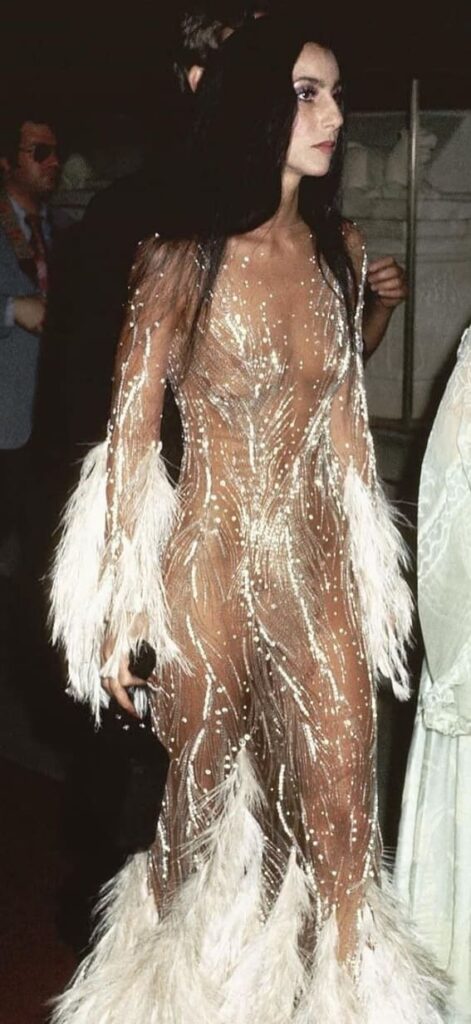
Key outfit features: Sheer fabric with sparkling beads, luxurious feathers, and a daring silhouette. This free-spirited, larger-than-life look matches Sagittarius energy—optimistic, fun, and always ready for the next adventure.
These pairings show how Met Gala outfits with their zodiac signs create natural matches. Fashion becomes a language of the stars.
In conclusion,
The Met Gala is more than just clothes—it’s art, personality, and storytelling on a grand scale. When we connect these legendary looks to zodiac signs, we see how astrology mirrors the creativity and courage stars bring to the red carpet. Whether you’re a bold Leo ready for a yellow cape or a curious Gemini planning outfit changes, there’s a Met Gala moment that feels like you. Next time you watch the gala, think about which sign the outfits represent. Fashion and stars truly align!
Pisces, the dreamy and deeply empathetic water sign of the zodiac, feels everything on a profound level. Ruled by Neptune, you absorb emotions like a sponge, often putting others’ needs before your own. This beautiful sensitivity makes you incredibly loving and compassionate, but it also leaves you vulnerable to heartbreak. Certain zodiac signs, with their contrasting energies, can unintentionally (or sometimes intentionally) trigger those tears through misunderstanding, emotional distance, or blunt honesty. While no pairing is doomed, these matches often require extra effort to avoid emotional exhaustion.
Top 3 Zodiac Signs That Will Make Pisces Cry
Pisces thrives on emotional depth, romance, and gentle understanding. Signs that prioritize logic, independence, or directness over feelings can leave the sensitive Fish feeling unseen, criticized, or overwhelmed. Here are the top three that most frequently challenge Pisces’ tender heart, based on classic astrological compatibilities.
Gemini (May 21 – June 20)
Gemini, the quick-witted air sign ruled by Mercury, lives in the world of ideas and variety. While their playful charm can initially sweep a Pisces off their feet, the emotional disconnect often follows. Geminis can seem flighty or non-committal, jumping from one interest to another while Pisces craves deep, soulful connection and consistency.
Pisces might pour their heart out only to feel like Gemini is analyzing or joking about their feelings rather than truly holding space for them. The mutable nature of both signs can lead to indecision and miscommunication, leaving Pisces feeling insecure or like their emotions are “too much.” Over time, this intellectual vs. emotional clash can bring on tears of frustration and loneliness, even in otherwise fun relationships.
Also know: How to Create Biodata for Marriage for Free
Sagittarius (November 22 – December 21)
The adventurous fire sign Sagittarius values freedom, honesty, and big-picture philosophy. Their blunt “truth bombs” and restless spirit often clash with Pisces’ gentle, idealistic nature. Sagittarians are known for being straightforward, which can feel like harsh criticism to a Pisces who takes everything personally.
While both signs share a love for exploration and spirituality, Sagittarius may push Pisces out of their comfort zone in ways that feel overwhelming rather than supportive. The Archer’s need for independence can make the Fish feel abandoned or unvalued, especially when emotional reassurance is needed most. Many Pisces report crying over Sagittarius’ perceived lack of empathy or their tendency to prioritize adventures over intimate emotional bonding.
Aquarius (January 20 – February 18)
Aquarius, the innovative and independent air sign, approaches life with logic and a focus on the collective rather than one-on-one emotional intimacy. This detachment can deeply wound Pisces, who needs constant emotional validation and closeness. Aquarians often need significant space and can come across as aloof or emotionally unavailable, even when they care.
Pisces may idealize the relationship and give endlessly, only to feel like their partner is more interested in ideas, causes, or friends than in nurturing the bond. This can lead to feelings of rejection and isolation, triggering Pisces’ tendency to internalize pain. The fixed nature of Aquarius makes them resistant to the emotional flow that Pisces desires, often resulting in heartbreak and tears.
Also know: Juno in Astrology
Conclusion
As a Pisces, your sensitivity is your superpower—it allows you to love deeply and create magical connections. While Gemini, Sagittarius, and Aquarius can challenge your emotional world and bring on the tears, awareness is key. Every sign has lessons to offer, and with open communication, boundaries, and mutual respect, even challenging pairings can grow. Trust your intuition, surround yourself with people who honor your depth (like fellow water signs Cancer and Scorpio), and remember: it’s okay to cry and release. The right connections will make your heart feel safe, not shattered. Embrace your empathetic nature—it attracts the love you truly deserve.
In Western astrology, Juno is one of the most important asteroids when it comes to committed relationships and marriage. Named after the Roman goddess of marriage and loyalty (wife of Jupiter), Juno shows how you approach long-term partnerships, what you need to feel secure in marriage, and the qualities you unconsciously seek—or attract—in a spouse.
While Venus tells us about romance and attraction, and the 7th house describes the type of marriage we want, Juno astrology dives deeper into the actual marriage partner and the dynamics of commitment. Many astrologers call Juno the “marriage asteroid” because it often describes the characteristics of your husband, wife, or long-term spouse.
Why Juno Aspects Matter for Marriage
Aspects (the angles) that Juno makes with other planets in your birth chart act like “flavors” or modifiers. They show how easy or challenging your path to marriage can be, what kind of partner you’re drawn to, and the lessons you’ll experience in married life.
Here are the most important Juno aspects and what they usually mean for marriage and your marriage partner:
1. Juno Conjunct Sun / Sun-Juno Aspects
This is a strong “marriage-minded” placement. You tend to see marriage as part of your core identity. Marriage Partner: Often someone who shines brightly—confident, leader-type, or very noticeable in their field. They may resemble you in personality or have strong Leo/Sun-like qualities. The relationship feels fated or central to your life purpose.
2. Juno Conjunct Moon / Moon-Juno Aspects
Emotional security and marriage are deeply linked. You need a partner who feels like “home.” Marriage Partner: Nurturing, sensitive, protective, or family-oriented. They may have strong Cancer/Moon traits. This aspect can bring a very caring marriage but also emotional dependency or moodiness if not balanced.
3. Juno-Venus Aspects (Conjunction, Trine, Sextile)
One of the most harmonious aspects for marriage. Love and commitment blend beautifully. Marriage Partner: Charming, attractive, artistic, or socially graceful. They often have strong Taurus or Libra qualities. These aspects usually bring a loving, affectionate marriage, though the square or opposition can indicate attraction to beautiful but unreliable partners.
4. Juno-Mars Aspects
Passion and commitment are tied together—sometimes explosively. Marriage Partner: Energetic, assertive, athletic, or sexually magnetic (strong Aries/Mars energy). The relationship is rarely boring. Easy aspects bring great physical chemistry; hard aspects (square/opposition) can mean arguments, power struggles, or attraction to dominant personalities.
5. Juno-Saturn Aspects
This is the classic “long-lasting marriage” aspect, but it often comes with lessons. Marriage Partner: Mature, responsible, ambitious, or older/senior-looking. They may have Capricorn or Saturn-like qualities—disciplined, traditional, or hardworking. Easy aspects support stable, committed unions. Hard aspects can delay marriage or bring serious karmic tests (age gaps, duty-bound relationships, or feeling restricted).
6. Juno-Jupiter Aspects
Lucky in marriage! Expansion and growth come through partnership. Marriage Partner: Optimistic, adventurous, educated, or from a different culture/background (strong Sagittarius/Jupiter vibe). They can be generous, philosophical, or successful. This often points to a marriage that improves your life—sometimes with travel or big opportunities.
7. Juno-Uranus Aspects
Marriage is anything but traditional. Marriage Partner: Unconventional, brilliant, independent, or quirky (Aquarius/Uranus energy). Sudden marriages or unusual unions are common. The relationship may have an on-off quality or require lots of freedom.
8. Juno-Neptune Aspects
Romantic idealism meets reality. Marriage Partner: Artistic, spiritual, compassionate, or dreamy. They may have Pisces/Neptune traits. Beautiful soul connection is possible, but hard aspects can bring disappointment, deception, or marrying someone who needs “saving.”
9. Juno-Pluto Aspects
Intense, transformative, and deeply loyal (sometimes possessive). Marriage Partner: Powerful, magnetic, psychological, or someone who has gone through major life changes. Strong Scorpio/Pluto energy. These marriages are rarely superficial—they involve power dynamics, rebirth, or shared crises that strengthen the bond.
Hard Aspects vs. Easy Aspects
- Easy aspects (trine, sextile, sometimes conjunction): Marriage tends to flow more naturally. You attract suitable partners and find commitment rewarding.
- Hard aspects (square, opposition): Marriage is still important but comes with challenges—delays, power struggles, or learning through difficult relationships. These often lead to the most growth and the strongest eventual unions.
How to Use Juno Astrology in Your Chart
Look at:
- The sign Juno is in (shows the style of marriage you seek)
- The house Juno is in (the area of life where marriage is most active)
- The aspects Juno makes (the planetary energies that influence your spouse and married life)
For example, Juno in Libra conjunct Venus in the 7th house is one of the strongest indicators of a harmonious, loving marriage. Juno in Scorpio square Mars might point to passionate but jealousy-filled relationships that teach deep trust.
Final Thoughts
Juno astrology is incredibly helpful when you want to understand not just if you’ll marry, but who you’re likely to marry and what kind of marriage dynamic you’ll create. Your Juno placement and aspects don’t predict a perfect fairy-tale wedding—they show the soul contract you’re here to experience through partnership.
If you know your birth details, checking your Juno aspects can bring surprising clarity about the type of person who feels like your “real” marriage partner. Many people find that once they understand their Juno, they stop attracting the wrong matches and start recognizing the right ones more easily.
Would you like me to explain your specific Juno placement or aspects? Just share your birth data and I’ll interpret it for you.