
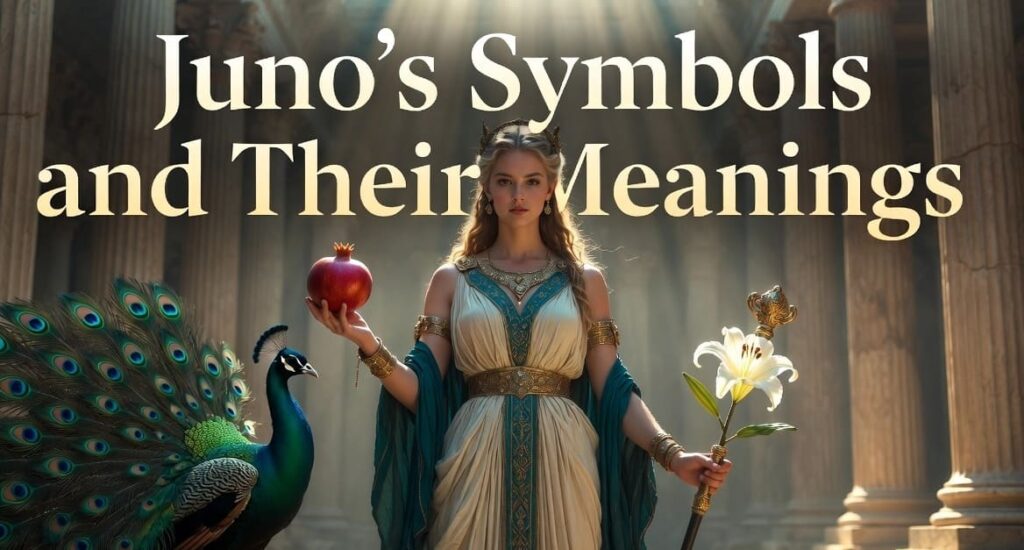
Juno, the majestic Roman goddess of marriage, childbirth, women, and the state, stands as one of the most powerful and multifaceted deities in the ancient pantheon. As the wife and sister of Jupiter, she embodies queenship, fierce protection, fertility, and the complex realities of partnership. Unlike purely nurturing figures, Juno often appears warrior-like—armed and vigilant—reflecting her role as guardian of Rome itself. Her symbols, drawn from myth, nature, and ritual, carry deep layers of meaning that reveal her essence as both a devoted matron and an unyielding sovereign.
The Peacock: Vigilance, Beauty, and Immortal Watchfulness
The most iconic symbol associated with Juno is the peacock. This radiant bird, with its shimmering tail feathers dotted with iridescent “eyes,” serves as her sacred animal and constant companion in art and sculpture. In mythology, the peacock’s origins tie directly to Juno’s jealousy and grief. When Jupiter transformed his lover Io into a heifer to hide her, Juno demanded the hundred-eyed giant Argus as her guard. After Mercury slew Argus, Juno honored the giant by placing his eyes on the peacock’s tail.
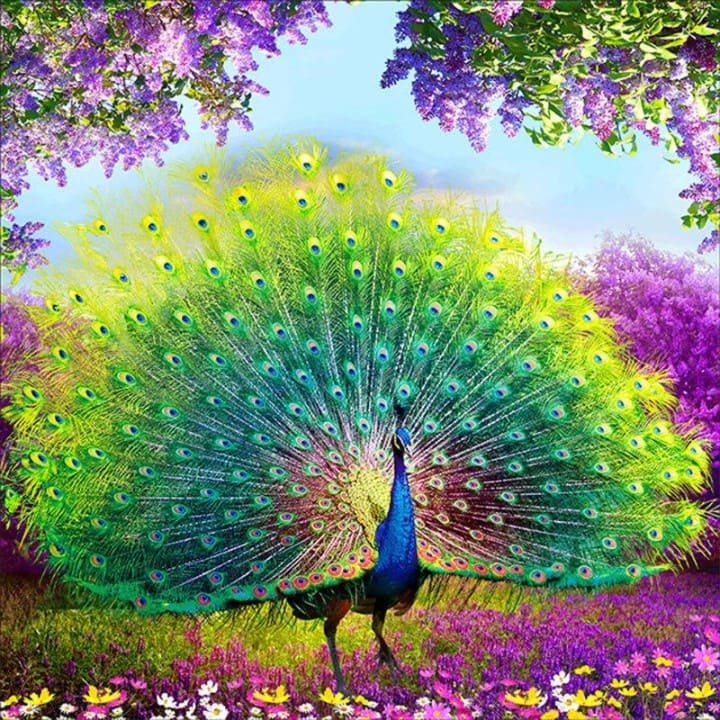
Beyond this tale, the peacock represents eternal vigilance—its many eyes symbolizing the goddess’s all-seeing awareness over marriages and oaths. Its beauty and ability to renew its feathers evoke immortality and renewal, while its proud display mirrors Juno’s regal dignity and occasional haughtiness. Chariots drawn by peacocks in depictions underscore her heavenly authority. To ancient Romans, encountering a peacock could signal Juno’s protective gaze over family and fidelity.
The Pomegranate: Fertility, Abundance, and the Bonds of Marriage
The pomegranate, bursting with ruby seeds, is another potent emblem of Juno. This fruit symbolizes fertility, prosperity, and the hidden riches of life—perfect for a goddess overseeing childbirth and marital unions. Its many seeds represent the abundance of offspring and the fruitful potential within committed relationships. In broader Mediterranean symbolism (shared with her Greek counterpart Hera), it also evokes the cycles of life, death, and rebirth.
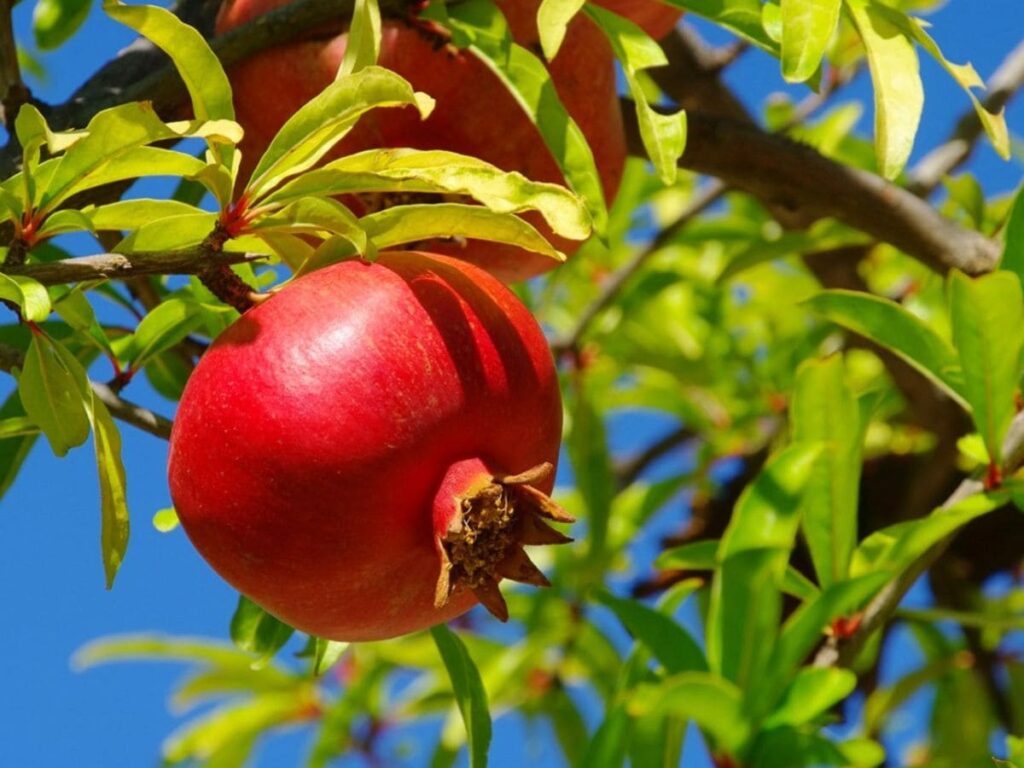
Juno’s association with the pomegranate reinforces her domain over women’s health and the perpetuation of family lines, reminding devotees that true partnership yields lasting legacy.
The Lily and Lotus: Divine Femininity and Parthenogenetic Power
Juno holds a special connection to the lily (often the three-lobed variety) and the lotus, universal symbols of the divine feminine and purity. According to legend, Juno conceived her son Mars by touching a magical lily or lotus flower given by the goddess Flora, without Jupiter’s involvement. This story highlights her independent creative power and positions her as a “Blessed Virgin” figure in some interpretations.

These flowers embody grace, renewal, and sacred femininity. The lily’s association later influenced Christian iconography of the Virgin Mary, showing the enduring cultural ripple of Juno’s symbols.
Regal and Martial Attributes: Crown, Scepter, Goatskin, and Weapons
As queen of the gods (Juno Regina), Juno is frequently depicted wearing a crown or diadem and holding a scepter, signifying sovereign authority and wise counsel to the state. These items emphasize her role as protector of Rome and advisor to leaders.
In her warlike aspect—especially as Juno Sospita—she appears in a goatskin cloak, armed with spear and shield. This draws from influences like Athena but underscores Juno’s fierce defense of women, children, and the Roman people. It portrays her not just as a homemaker but as a formidable guardian ready to battle threats to her domain.
Other Sacred Creatures and Plants
- Cow and Goose: The cow links to fertility and nurturing motherhood, while the goose symbolizes vigilance (echoing the peacock) and protection. Both highlight Juno’s maternal and watchful sides.
- Cuckoo: Associated with spring and marriage omens, it ties into themes of renewal and partnership.
- Cypress: A tree linked to her, possibly evoking endurance, eternity, or funerary rites connected to life cycles.
Why These Symbols Still Resonate
Juno’s symbols weave together themes of loyalty and jealousy, beauty and strength, fertility and protection. They reflect the multifaceted lives of women and rulers—nurturing yet powerful, committed yet independent. In ancient Rome, brides invoked Juno for blessed marriages, expectant mothers sought her aid in childbirth (as Juno Lucina, “She Who Brings to Light”), and the state honored her as a pillar of civic order.
Today, these emblems inspire modern interpretations in art, literature, and spirituality. The peacock reminds us of watchful pride in our relationships; the pomegranate, the seeds of legacy we plant; the lily, the quiet power of creation. Juno teaches that true queenship lies not in dominance alone, but in the balanced guardianship of life’s most sacred bonds.
Whether gazing at a peacock’s tail or slicing open a pomegranate, one glimpses the enduring spirit of Rome’s queen—a goddess who watches over commitments with unblinking eyes and a fiercely protective heart. Her symbols invite us to honor the complexities of partnership, the strength in femininity, and the regal potential within us all.